
Volatility
Volatility is a core game mechanic in Due Diligence and serves as the foundation for the entire gameplay experience. After exploring multiple early designs that failed to fully capture real-world investing dynamics, the design team returned to the drawing board and introduced the concept of beta, which ultimately reshaped the game. Beta is a widely used measure of volatility in the stock market, comparing an investment’s price movements to a market index such as the S&P 500. Beta is represented in Due Diligence through nine distinct dice designs, each with different incremental values ranging from ±3 to ±11.
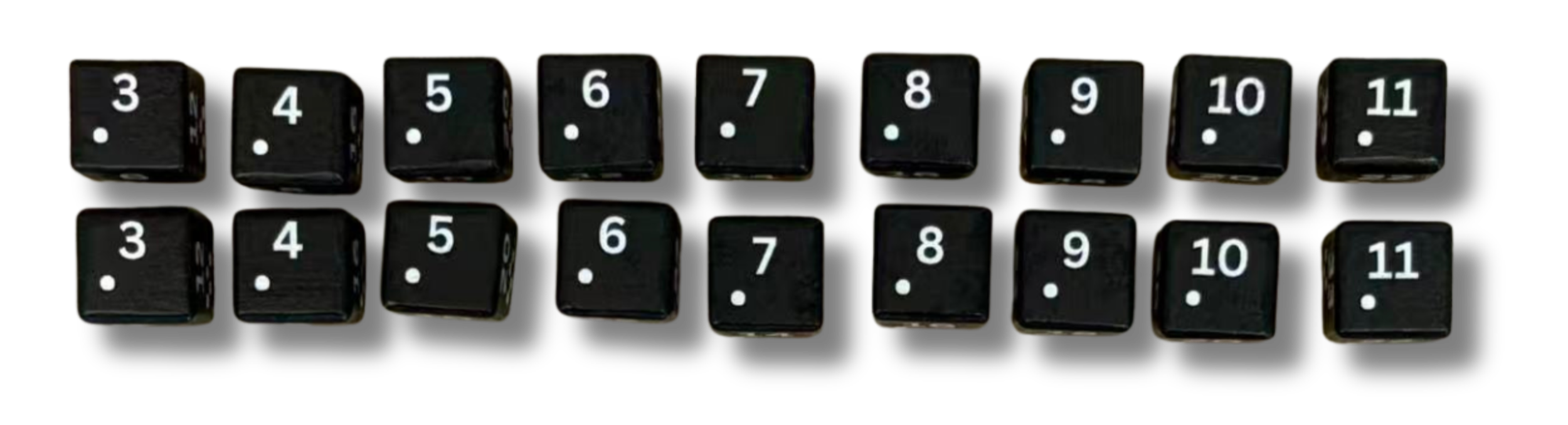
This volatility system drives strategic decision-making and numerical optimization throughout the game. Highly volatile investments with large incremental values, such as ±11, offer the potential for the largest single-turn capital gains when their die value increases. However, these investments are more expensive and harder to compound over time. Less volatile investments with smaller incremental values, such as ±3, may generate smaller gains per turn, but they allow players to reinvest more consistently and compound growth over multiple turns. As a result, players must carefully balance short-term gains against long-term growth potential, making volatility management a central element of a successful strategy in Due Diligence.
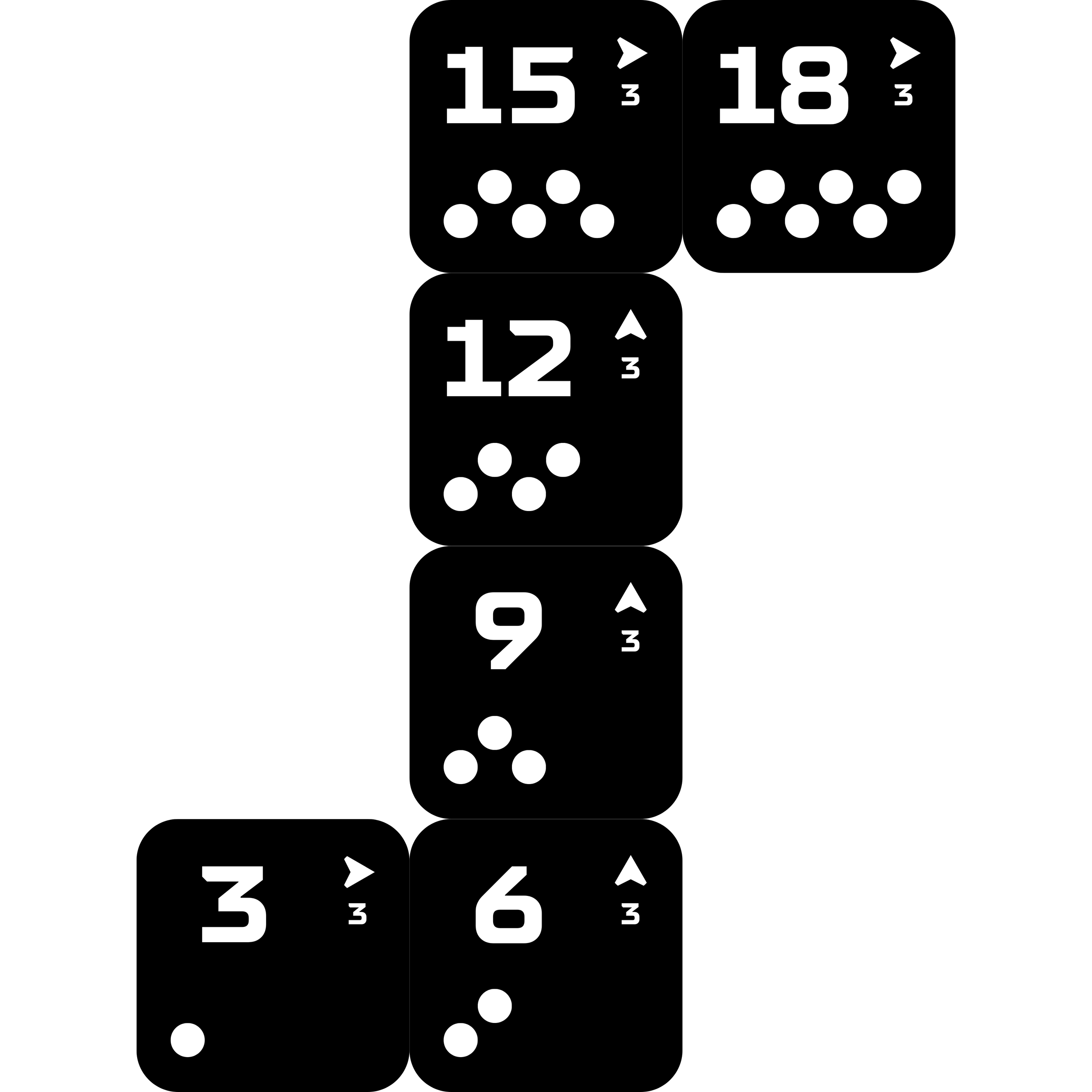
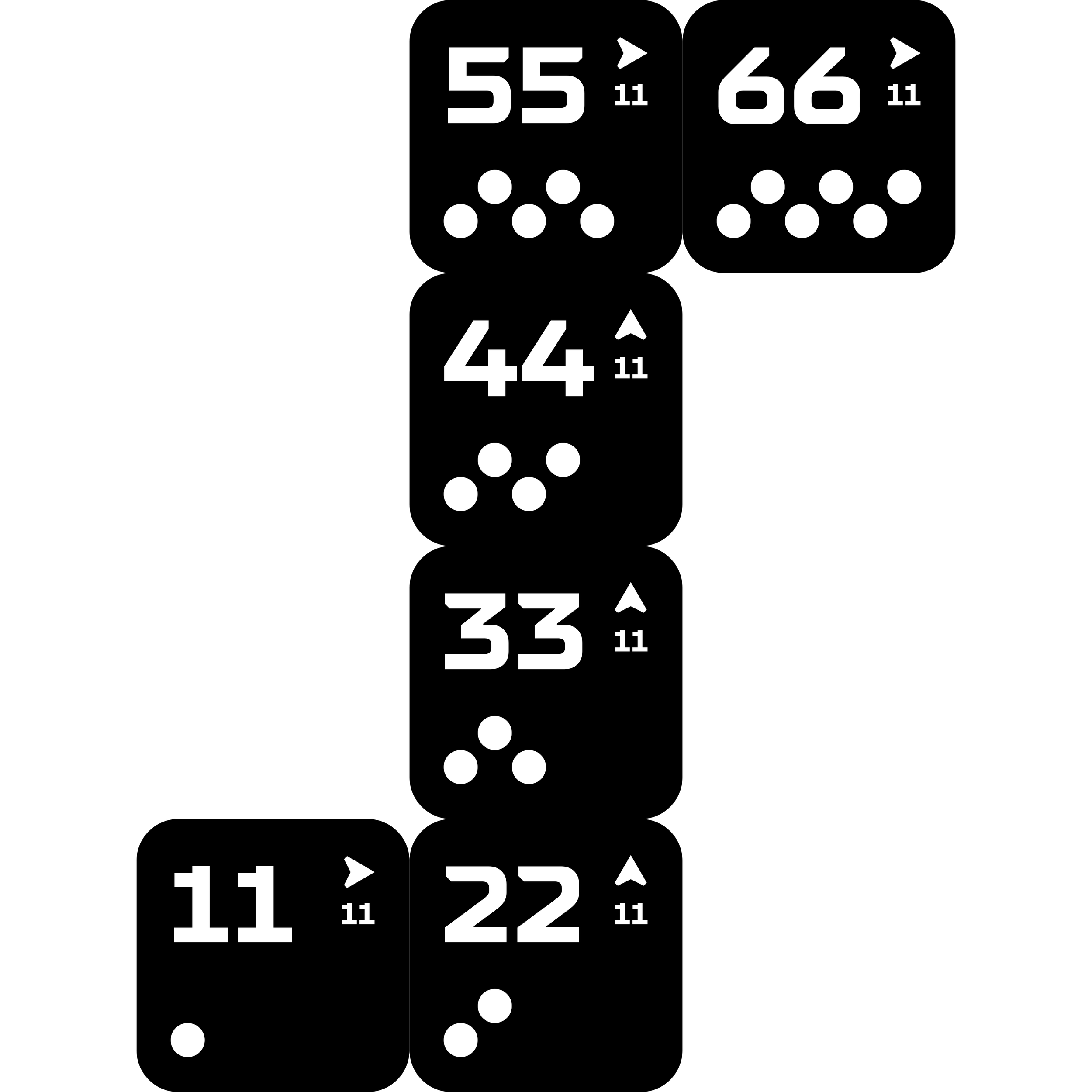
Ultimately, investing is a numbers game shaped by risk, reward, and compounding growth. Higher volatility investments may offer faster gains but can be harder to sustain, while lower volatility investments often support steadier, long-term growth. By modelling volatility through beta-based mechanics, Due Diligence teaches players that successful investing is not about maximizing gains in a single moment, but about making disciplined decisions that balance opportunity, risk, and compounding growth over time.
Disclaimer: Due Diligence is intended for educational and entertainment purposes only and does not constitute financial or investment advice. The game is designed to illustrate general stock market concepts through simplified gameplay. In-game experiences and outcomes should not be relied upon for real-world investing decisions. Players are encouraged to conduct their own independent research and consult trusted, reputable sources before making any real-world investment decisions.